Well Water and Septic Systems: Essentials for Cave Creek Horse Properties
Buying a horse property in Cave Creek means trading standard suburban utilities for a more independent setup. Wells and septic systems are common on rural acreage, and understanding how they work is a critical step in the buying process. The right water and wastewater systems keep your horses healthy and your property functional. Before you make an offer, take time to learn what to expect from well water and septic in the Cave Creek area.
Understanding Water Sources on Cave Creek Horse Properties
Water supply varies from one Cave Creek property to the next. Some homes connect to town water, others use Desert Hills water, and many rely on a private well. You should confirm which source serves the property, because the setup affects both daily use and long-term maintenance. If the property has a well, ask about the well yield and recent water quality tests. If it uses town water or Desert Hills water, check with the provider to confirm service capacity for a horse property. Knowing your water source before closing helps you plan for any upgrades or backups.
Horse properties often require more water than a standard residential lot. Between drinking water for livestock, irrigation for pastures, and dust control in an arena, demand adds up quickly. A private well producing abundant, fresh, clean water is a major asset. When you tour properties, ask the seller or agent about the well's performance history and whether it has ever gone dry during drought conditions.
What to Know About Private Wells
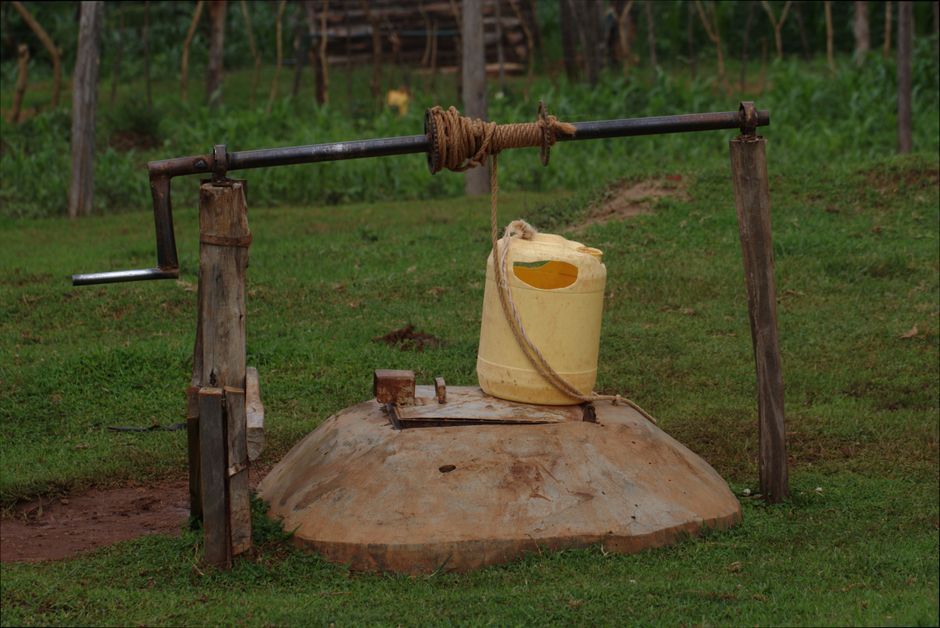
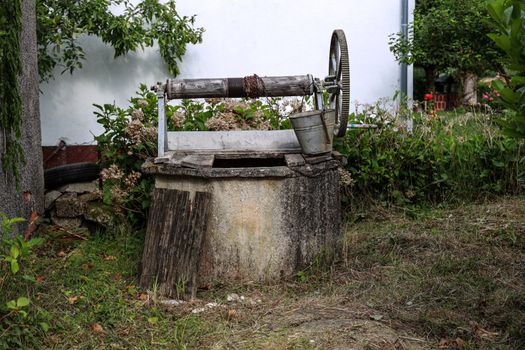
Private wells are a common feature on Cave Creek acreage homes. A well taps into the groundwater beneath the property and provides water directly to the house and often to outdoor hydrants. Because there is no monthly water bill, a well can reduce long-term operating costs, but you are responsible for all maintenance and repairs.
When evaluating a well, ask for the well log, which records the depth, static water level, and pump installation details. A professional well inspection can test water quality for bacteria, nitrates, and minerals that might affect taste or spot equipment. Some Cave Creek properties include underground power near the wellhead, which simplifies any future pump work. If you plan to water a large arena or multiple paddocks, confirm the well's recovery rate meets your needs.
Septic Systems in Maricopa County
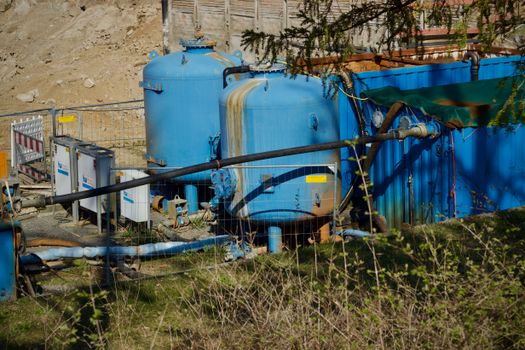
Rural Cave Creek properties typically use an onsite septic system instead of municipal sewer service. The septic tank and drain field treat all household wastewater. Maricopa County handles onsite wastewater forms, including septic applications and notices of transfer. This means the county oversees the permitting and inspection process when ownership changes.
In Maricopa County, a property with a septic system must be inspected within six months before the ownership transfer, and the buyer must file the appropriate notice of transfer with the county. This rule protects buyers by identifying potential failures before the sale closes. If the inspection reveals problems, such as a failing drain field or a tank that needs pumping, the seller may need to make repairs or negotiate a credit. As a buyer, always request the county's septic records and the most recent inspection report.
How Wells and Septic Systems Work Together
Septic and well water both appear commonly on rural Arizona properties, and they can coexist safely when properly designed and maintained. The key is separation. The well must be located uphill and at a safe distance from the septic tank and drain field. Local codes specify minimum setback distances, and a professional installer ensures these are met. When both systems are up to code and well maintained, there is no risk of contamination under normal use.
Annual maintenance for both systems gives you peace of mind. Have your well water tested every year for bacteria and nitrates. Pump the septic tank every three to five years, depending on household size and usage. On a horse property, you also need to manage animal waste separately from the household septic system. Manure composting and proper runoff management keep your well water safe and your land healthy.
Questions to Ask Before Buying a Cave Creek Horse Property
Before you make an offer, gather as much information as possible about the water and septic systems. Use this checklist during your property tours:
- Does the property use town water, Desert Hills water, or a private well?
- If there is a well, when was it last tested and what were the results?
- Is the septic system permitted and when was the last inspection?
- Has the septic tank been pumped recently?
- Are there any known issues with water pressure or septic backups?
- Does the property have sewer service or only septic?
Having clear answers to these questions helps you budget for any immediate maintenance and avoid surprises after closing. Your real estate agent can guide you to the right county offices and inspectors.
Frequently Asked Questions
Do I need to inspect the septic system before buying a cave creek horse property?
Yes. In Maricopa County, a property with a septic system must be inspected within six months before the ownership transfer, and the buyer must file the notice of transfer with the county. The inspection helps identify any problems before you close.
Can a horse property have both a well and a septic system?
Yes. Septic and well water both appear commonly on rural Arizona properties, and they can coexist safely when properly designed and maintained. Proper setback distances between the well and the septic system keep groundwater free from contamination.
What water sources are available for Cave Creek horse properties?
Water sources vary by location. Some homes use town water, others get water from Desert Hills Water Company, and many rely on a private well. You should confirm the water source for each property you consider.
Who handles septic permits and inspections in Cave Creek?
Maricopa County handles onsite wastewater forms, including septic applications and notices of transfer. The county is the governing authority for all septic system permitting and inspection in the Cave Creek area.
How do I verify if a property has a well or a septic system?
Ask the seller or your real estate agent for the property disclosure. You can also check with Maricopa County for records on well permits and septic system installations. A professional inspection provides added confirmation.
Understanding the realities of well water and septic systems helps you buy your Cave Creek horse property with confidence. Talk to your agent, review the county requirements, and always get professional inspections before closing. The right property will have water and waste systems that support your horses and your lifestyle for years to come.