Understanding Lot Usability and Washes for Cave Creek Land Buyers

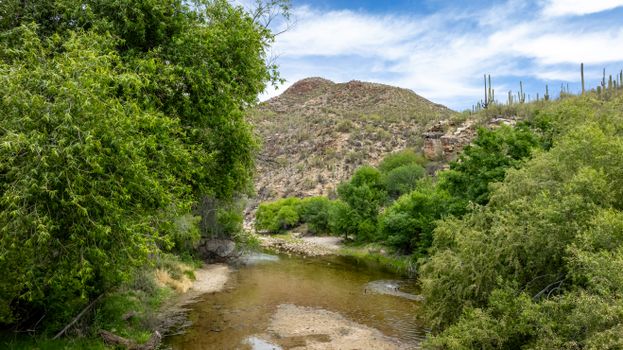
When shopping for raw land in Cave Creek, the term "lot usability" comes up often. It is not just about how many acres you are buying. Usability includes access to utilities, zoning allowances, topography, and the presence of natural features such as washes. A wash is a dry streambed that carries water during heavy rains. Buyers who overlook washes may later discover that their building envelope is smaller than expected. Having a clear picture of lot usability, including the role of washes, helps you make an informed purchase in this unique desert community.
What Is a Wash and Why Does It Matter for Land Buyers?
A wash is a natural drainage channel that may be dry most of the year but becomes active during storms. In Arizona, washes are regulated by local and county flood-control authorities because they carry runoff and can pose flood risks. While the official Cave Creek Wash sediment basin is located north of Cactus Road and 25th Avenue in Phoenix, many parcels in the Cave Creek area have smaller washes running through them. According to a discussion on a homebuilding forum, redirecting a wash on a plot is possible with a qualified engineer and a significant budget. However, no specific setback rules for washes within Cave Creek town limits are provided in this research, so buyers should verify requirements directly with the town planning department.
Key Factors That Determine Lot Usability
Several elements affect whether a lot can be developed for a home. The most critical are zoning, water source, electric service, septic feasibility, access, and any natural constraints like washes. Cave Creek parcels vary widely in these factors, as shown by current listings.
Zoning Classifications
Cave Creek uses zoning designations that control density and allowed uses. The R-43 zoning, seen on a 2.5-acre lot at 29443 N 60th St, permits residential development with a minimum lot size of about 43,000 square feet. The DR-190 zoning, found on a 10-acre parcel on N 80th St, allows horses with restrictions (up to 10 horses on that property). Knowing the zoning of a lot tells you what you can build and whether livestock or other uses are permitted.
Water and Utilities
Some lots come with city water and electric already in place. The 2.5-acre R-43 lot at 29443 N 60th St includes both city water and electric service. Others rely on wells. A 67.67-acre lot at 42650 N 52nd St has three productive water wells. A 5-acre parcel in the Gold Mountain area has a well and power on site. In contrast, a 10-acre parcel with DR-190 zoning has a disabled well, meaning the buyer must repair or replace it. A 5-acre lot in New River (just outside Cave Creek) is listed for $195,000 with electricity at the site and a shared well producing 13 to 15 gallons per minute. Buyers should always verify the condition and yield of any well before making an offer.
Septic Systems and Permits
Most rural lots require an on-site septic system. The lot at 29443 N 60th St has an existing septic system, but it is inoperable and needs replacement. That replacement cost must be factored into the overall budget. Not all lots have an existing septic design, so buyers may need to commission soil tests and perc tests to confirm feasibility.
Washes and Buildable Area
A wash can reduce the buildable area of a lot. While no specific regulations for washes in Cave Creek are included in this research, general practice in Maricopa County requires setbacks from wash banks to allow for flood flow and erosion control. An engineer can assess whether a wash can be redirected or whether structures must be placed outside the flood hazard zone. The Reddit discussion mentioned that redirecting a wash is possible but expensive and requires engineering approvals.
Cave Creek Lot Examples: Price, Size, and Features
The table below summarizes several current listings that illustrate the range of lot types and usability factors in the Cave Creek area. Note that prices and availability change frequently.
| Location | Size | Price | Zoning | Key Features |
|---|---|---|---|---|
| 29443 N 60th St | 2.5 acres | $650,000 | R-43 | City water, electric, inoperable septic, mountain views |
| 42650 N 52nd St | 67.67 acres | $5,900,000 | Not specified | Three productive wells |
| 39332 N Old Stage Rd | 4.36 acres | $365,000 | Not specified | Hillside lot |
| 7XXX N 80th St | 10 acres | $810,000 | DR-190 | Horses allowed (up to 10), disabled well |
| Gold Mountain area | 5 acres | $650,000 | Not specified | 360-degree views, well, power on site |
| New River (440XX N 24th St) | ~5 acres | $195,000 | Not specified | Electric at site, shared well (13–15 gpm) |
The Impact of the Cave Creek Open Space Acquisition
As of March 31, 2026, the Cave Creek Town Council unanimously approved moving forward to acquire 4,005 acres of Arizona State Trust Land within the town's limits. This is a significant open-space preservation effort. Whether this acquisition affects the usability of private lots is not yet clear. For example, access to adjacent trust land could change, or new development restrictions could emerge. Buyers should monitor town announcements and consult with local agents who track these policy moves.
Practical Advice for Cave Creek Land Buyers
Before you make an offer on a lot, take these steps to evaluate usability. First, obtain a parcel map from Maricopa County or the town that shows any recorded washes, flood zones, and easements. The City of Scottsdale offers a parcel map with washes, and similar tools exist for Cave Creek. Second, verify zoning and confirm that your intended use (single-family home, horse property, etc.) is allowed. Third, test the water well or confirm city water availability. Fourth, hire a geotechnical engineer to assess soil conditions, septic suitability, and the presence of washes. If a wash exists on the property, ask whether it can be redirected or if building must occur outside a buffer zone. An experienced local real estate agent can guide you to reputable engineers and provide comparables that include wash considerations.

Frequently Asked Questions
Can I build on a lot that has a wash running through it?
It depends on the wash size, local regulations, and floodplain mapping. Building may be permitted if the home is placed outside the flood hazard area or if the wash is redirected with engineering approval. You must check with the Town of Cave Creek planning department and obtain a floodplain permit if required. The cost of mitigation can be significant, so factor that into your budget.
How do I find out if a wash exists on a property?
You can review Maricopa County floodplain maps or request a parcel map from the town. Some cities like Scottsdale provide online parcel maps that show washes. For Cave Creek, your best resource is the town's planning and zoning department. A title report may also reveal drainage easements. A site visit after heavy rain can show you the flow path.
What is the difference between R-43 and DR-190 zoning?
R-43 zoning generally requires a minimum lot size of about 43,000 square feet and is intended for single-family residential development. DR-190 is a rural designation that allows residential uses and livestock, with specific restrictions. The parcel at 7XXX N 80th St with DR-190 zoning allows up to 10 horses. Each zone has its own set of setbacks, density limits, and permitted uses. You can verify the exact code for a specific lot through the town.
Does the 4,005-acre open space acquisition affect private lot development?
As of this writing, the impact on private lots is unknown. The acquisition involves state trust land within town limits. It could influence future access, views, or even utility extensions. Buyers should follow the Town Council's meetings and talk to a local real estate agent for updates. The approval was unanimous in March 2026, but implementation details are still emerging.
Lot usability in Cave Creek is shaped by zoning, utilities, topography, and natural features like washes. By researching each factor thoroughly and working with someone who knows the local landscape, you can find a parcel that truly meets your needs. The desert offers room to breathe, but it also demands careful planning.